In the midst of an education crisis, it is easy to feel small. Every day, you are bombarded by the Circle of Concern: the national budget cuts, the shifting curriculum policies, the lack of textbooks, the poverty in your community, and the broken infrastructure. These are heavy, real realities. But when we spend all our emotional energy staring at these giant walls, we feel paralyzed. We feel like victims of a broken system, waiting for permission to make a difference.
But inside that storm, there is a smaller, quieter, but infinitely more powerful space: your Circle of Control.
This is your sanctuary. You cannot control the Department’s budget, but you can control the energy you bring into your classroom every morning. You cannot control a learner’s difficult home environment, but you can control whether your classroom is the safest, most encouraging 45 minutes of their day. You cannot control the backlog of infrastructure, but you can control the culture of curiosity and the high expectations you set for every child seated in front of you.

When you step into your classroom and close the door, the systemic dysfunction stays in the hallway. In that space, you are not a bureaucrat; you are an architect of human potential. To focus on your Circle of Control is not to ignore the crisis; it is to defy it. It is an act of rebellion to say, "The system may be struggling, but in this room, on my watch, we are going to learn, we are going to dream, and we are going to rise."
View Full Post and Comments
We cannot call 30% a pass and pretend our education system is succeeding!
Behind the applause for the “pass rate” lies a system protecting mediocrity instead of preparing learners for real opportunity.
We need reform, not statistical cover-ups.
Raise standards. Pay teachers properly. Modernise the curriculum. Put parents and learners first.
Source: https://www.linkedin.com/feed/update/urn:li:activity:7416415671560970241/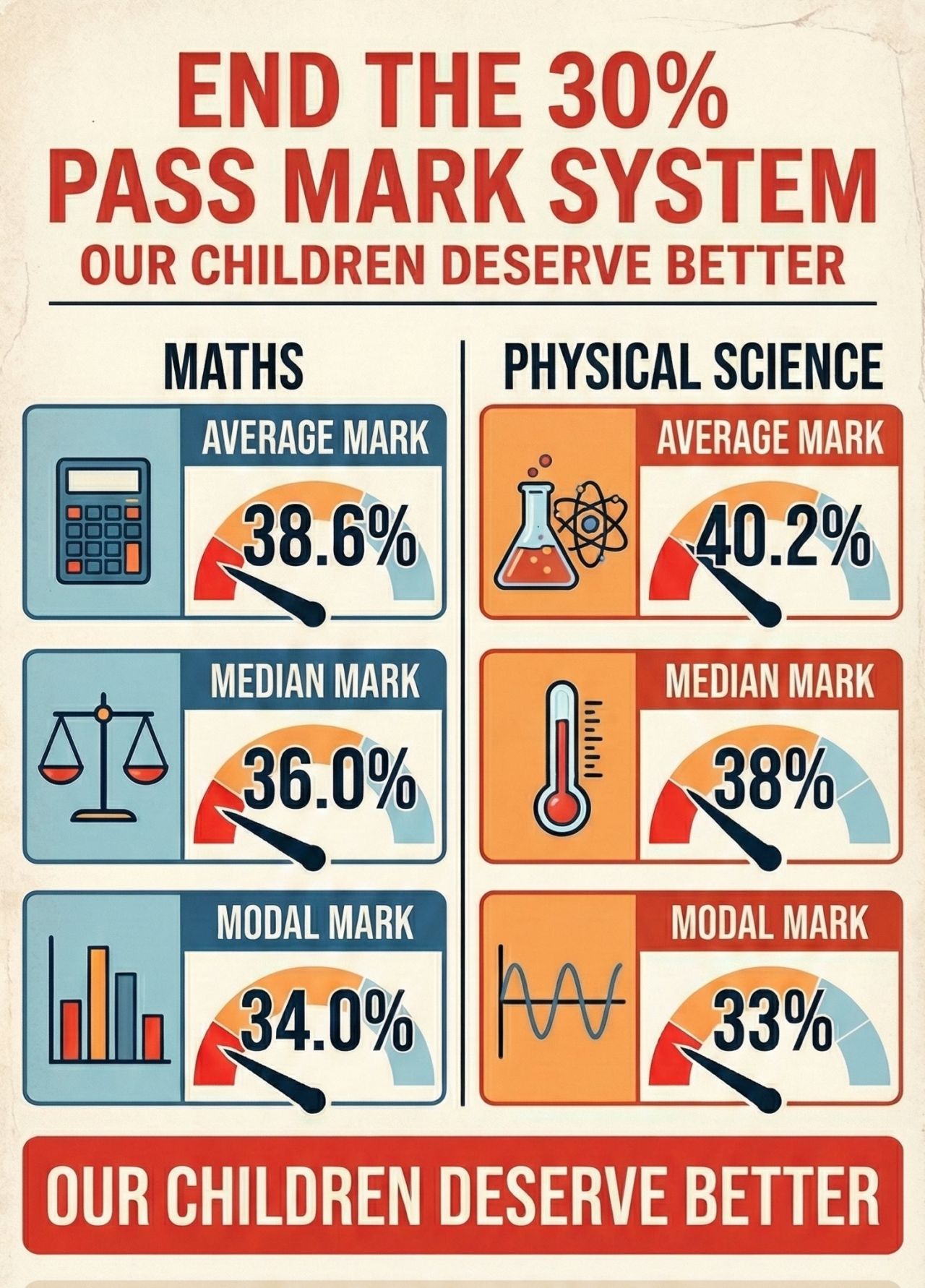
View Full Post and Comments
As South Africa contemplates integrating technology into higher education teaching and learning, it must do so with full awareness of the country’s deeply challenged education system, high levels of youth unemployment, and limited digital literacy. These realities form the critical context within which Fourth Industrial Revolution (4IR)-aligned educational reforms must be implemented.
Rennie Naidoo, a Professor in Information Systems (IS) and Research Director at the Wits School of Business Sciences, mentioned this to the 55 delegates at Universities South Africa’s (USAf’s) one-day colloquium on 10 July, who gathered to critically engage with the findings of the USAf Environmental Scan for 4IR Training and the World of Work (2024) report.
Opening with a sobering overview of South Africa’s basic education challenges, Professor Naidoo highlighted that 47% of children aged 6–8 do not receive early childhood development (ECD), which contributes to 78% of Grade 4 learners being unable to read for meaning, and 60% of primary school learners failing to reach Grade 12. Unsurprisingly, only 25% of secondary school leavers are considered work-ready, compared to 96% in Singapore.
From this weak foundation, less than 30% of learners attain a bachelor’s pass, with only 18% accessing university, and nearly half of those dropping out. Against a backdrop of 63.9% youth unemployment, Professor Naidoo urged delegates to keep youth top-of-mind when engaging with the 4IR Environmental Scan findings.
This inequitable system, he noted, has created small enclaves of advantaged learners, highlighting an urgent need for curriculum reform that meets the needs of both privileged and marginalised students.
Source: https://url-shortener.me/7QE4
View Full Post and Comments
We face a brutal reality: South Africa’s education system is not just failing many of its children; it is actively warehousing them. When statistics indicate that 81% of Grade 4 learners cannot read for meaning, we are not building a future; we are cementing cycles of poverty and inequality.
Continue Reading

1. Leave Work at School
One of the most important steps in relaxing over the holidays is to leave work at school. As tempting as it may be to bring home a bag full of papers to grade and lesson plans to prepare, it's crucial to resist the temptation. While sometimes this just can't be avoided, the holiday break can be a time to disconnect from work and give your brain a much-needed rest. By setting boundaries and leaving your teacher bag untouched, you can fully immerse yourself in relaxation and recharge your mental batteries.
2. Engage in Physical Exercise
Exercise is not only beneficial for your physical health but also for your mental well-being. Engaging in physical activities releases endorphins, which are natural stress-relievers. Whether it's going for a run, practicing yoga, or taking a dance class, find an exercise routine that suits your preferences and schedule. Dedicate some time each day to get your body moving and experience the positive effects of exercise on your overall mood and stress levels.
3. Read!
During the holiday break, give yourself permission to enjoy reading. Put aside the professional development books and instructional materials and pick up a novel that sparks your interest. Dive into a captivating story or lose yourself in the pages of a thrilling mystery. Reading for pleasure not only provides an escape from the demands of teaching but stimulates your imagination too.
4. Unwind with Your Favourite TV Shows
Sometimes, a day of binge-watching your favourite TV shows is just what you need to relax and unwind. Whether it's a classic sitcom, a captivating drama, or a holiday movie marathon, allow yourself the guilty pleasure of a TV binge session. Curl up on the couch with some snacks, dim the lights, and immerse yourself in the captivating stories unfolding on the screen. Just remember to set boundaries and not let it consume your entire holiday break.
5. Travel and Explore
Traveling is an excellent way to broaden your horizons, experience new cultures, and gain fresh perspectives. Take advantage of the holiday break to plan a trip, whether it's a short getaway or a more extended adventure. Explore new destinations, immerse yourself in different environments, and create lasting memories. Traveling not only allows you to recharge but also provides you with valuable experiences and stories to share with your students when you return to the classroom.
6. Dedicate Time to Your Hobbies
Engaging in activities you enjoy is essential for your overall well-being. Dedicate some time during the holiday break to pursue your hobbies and passions. Whether it's painting, gardening, cooking, or playing a musical instrument, enjoy activities that bring you joy and allow you to express your creativity. By immersing yourself in hobbies, you can relax, recharge, and positively impact your teaching when you return to the classroom.
7. Pamper Yourself
Teachers work tirelessly throughout the year. Use the holiday break as an opportunity to pamper yourself and prioritise your well-being. Treat yourself to a spa day, a massage, or a relaxing bath. Get that manicure/pedicure you've been putting off. Engaging in self-care activities not only helps you relax but also boosts your confidence and improves your overall sense of well-being.
8. Spend Quality Time with Loved Ones
The holiday season is a perfect time to reconnect with loved ones and cultivate meaningful relationships outside of the classroom. Plan activities and outings with your family and friends, such as game nights, movie marathons, or simply enjoying a meal together. Engaging in these social interactions allows you to step away from the teacher role and focus on those close to you. Spending quality time with loved ones is essential for your emotional well-being and can help you recharge for the upcoming term.
9. Give Back to the Community
The holiday season is synonymous with acts of kindness and giving back to those in need. Find opportunities to volunteer at local shelters or soup kitchens. Donate clothes, toys, or other items to organisations that support those less fortunate.
Engaging in charitable activities not only helps those in need but also brings a sense of fulfilment and gratitude. Giving back to the community is a powerful way to relax and gain perspective on the things that truly matter.
10. Reflect and Set Goals
As the holiday break comes to an end, take some time to reflect on the past year and set goals for the future. Reflect on your teaching practice, your achievements, and areas for growth. Identify specific goals and action steps that will help you continue to grow as an educator. By setting goals, you can approach the new term with renewed focus and motivation.
Source: Zen Educate
View Full Post and Comments

There are plenty of hints and tips for students to manage their stress during the exam time. But what about teachers? The pressure is, of course, immense on teachers so here are a few tips:
The first thing that you need to do is recognise it.
Stress affects us all differently and you are your own expert, keep an eye out for the signs that you are becoming more stressed.
This might be a change in your sleeping or eating patterns, feeling more irritable or having less time to do the things you would normally do for relaxation.
Beginning your day calmly
Sit down for 2 minutes before the pupils arrive and spend this time focusing on being in the moment, taking full deep breaths and slowing your thoughts.
There are some really great apps out there that can help you with this.
Seek peer support
Seek out support from other teachers, the chances are most of you are feeling the same and finding out what others are doing to cope can give you some great ideas and helps you to feel less isolated.
Don’t work too much over time
Yes, easier said than done!
But remember when you are feeling overwhelmed you stop being productive.
Recognise when this is happening, take some time out and go back to it when you are feeling refreshed.
Leisure time
Find something outside of work that you enjoy doing and make sure you incorporate it into your weekly timetable.
Don’t let it slip to the bottom of your priority list.
A “will do” list
Make a daily “will do” list not a to do list. A to do list gets longer and longer and can add to the sense of feeling overwhelmed.
Make sure that your “will do” list is made up only of things that you can definitely do that day and once it is set – do not add to it.
Learn to say no
You are not superhuman, do not take on more than you know you can manage.
Teachers are very good at advising pupils on managing their workloads and stress – be as kind to yourself as you are to them!
Source: Select Psychology
View Full Post and Comments

Here are nine easy grading practices you can start today to prioritize self-care and well-being during grading.
1. Grade when you’re most alert
Grade during the part of the day when you're most bright-eyed and clear-headed, whether it’s after dinner or first thing in the morning. Grading isn’t something you can do half-heartedly — it’s a demanding task that requires focus, consistency, and patience. Whether you’re a morning person who thrives after that first cup of coffee or a night owl who finds clarity in the quiet of later hours, timing your grading right can help maintain fairness and accuracy.
2. Practice time management with breaks
Avoid marathon grading sessions, which can lead to mental fatigue and reduced accuracy. Instead, break grading into more manageable batches while setting milestones for yourself. Reward yourself with short breaks — whether it’s grabbing a snack, taking a quick walk, or spending a few minutes just relaxing. These tiny resets can help keep your mind fresh, prevent burnout, and boost productivity .
3. Use a timer
Grade with a timer so you don’t end up spending more time on one particular assignment than another. Spending too long on one thing can lead to inconsistencies in grading. Using a timer or setting a per-paper time limit can help you stay on track and prevent that “tired teacher” bias from creeping in .
4. Narrow the feedback loop
Sometimes, too much feedback can be detrimental. Students might be discouraged by an exam or paper filled with teacher marks, so help them prioritize by narrowing the focus. Highlight one to three priority areas in each assignment, whether it’s argument strength in an essay, accuracy in academic research, or problem-solving in answers. It’s not only easier for students to digest and absorb, but it’s also good for maintaining your well-being during grading sessions.
5. Leverage the right technology
The right tools can help reduce your grading time while maintaining consistency and accuracy. Use technology like tracked changes in Word to demonstrate updates, rubrics and Quickmarks in Feedback Studio to enable writing, or Gradescope for STEM assessments. Having the right technology on hand allows for quicker, more uniform grading and a more efficient grading system.
6. Respect your personal boundaries
It’s easy to lose track of time when grading, and setting clear boundaries is essential for your physical and mental well-being. If your bedtime is 10 p.m., commit to stopping work at that time. Not only does adequate rest improve cognitive function , but it also prevents burnout and helps you approach grading with a fresh perspective the next day. The short version? Don’t sleep on sleep — it’ll benefit you and your students in the long run.
7. Truly step away
When you’re not teaching or not grading, step back from work and immerse yourself in something that is personally fulfilling. The demands of academic life can make it tempting to constantly think about work, but setting aside time for personal fulfillment is just as important as professional fulfillment. Whether you pick up an old hobby, carve out time for regular exercise, or just spend time with loved ones, taking true mental breaks can make all the difference.
8. Encourage peer review
Incorporating first drafts and peer review into your coursework can not only help reduce the time spent grading — it can also foster and support students’ growth. By allowing students to receive feedback from their peers before submitting final assignments, you empower them to develop self-reliance and critical thinking . This not only saves time but also improves the overall quality of student work before it reaches your desk.
9. Design leaner, more purposeful assignments
Aim for fewer, more purposeful assignments that target knowledge instead of weekly busy work. Frequent assignments can create unnecessary grading overload for you, create burnout in students, and reduce the time for you to provide thoughtful feedback. Instead of weekly busywork, focus on designing assignments that target essential knowledge and skills. Fewer but more meaningful assessments lead to deeper student well-being and engagement while making grading more manageable for you.
Source: Turnitin
View Full Post and Comments
.png)
When there is a lack of new teacher in-service support, it can significantly impact learners in several ways. Here's how:
Lower Quality of Instruction
New teachers often need guidance to develop effective teaching strategies. Without support:
- Lessons may lack structure or clarity.
- Teachers may struggle with pacing, differentiation, or engaging all students.
- Misunderstandings in content delivery may go uncorrected.
Impact on Learners: Students may receive inconsistent or lower-quality instruction, leading to gaps in understanding and lower academic performance.
Classroom Management Issues
In-service support often includes help with classroom management techniques.
- Without it, new teachers may struggle to maintain order or respond appropriately to behavioral issues.
Impact on Learners: Disruptive environments hinder learning for all students, especially those needing focused attention or structure.
Low Teacher Confidence and High Turnover
New teachers who feel unsupported may:
- Experience burnout or stress.
- Leave the profession early (high attrition rates).
Impact on Learners: Students face teacher turnover, which disrupts continuity in learning and the development of strong student-teacher relationships.
Limited Use of Innovative or Evidence-Based Practices
In-service programs often update teachers on:
- New pedagogical methods.
- Technology integration.
- Inclusive education strategies.
Without this, new teachers may rely on outdated or less effective approaches.
Impact on Learners: Students may not benefit from modern, engaging, or inclusive teaching practices tailored to diverse learning needs.
Less Personalised Support for Students
Mentoring helps new teachers learn to:
- Differentiate instruction.
- Assess student needs more accurately.
Impact on Learners: Struggling or gifted students may not get the targeted help they need to succeed or be challenged appropriately.
View Full Post and Comments

.png)
Professional Isolation
Without structured induction, new teachers often feel unsupported and alone. This isolation can lead to:
- Low morale and confidence
- Burnout or attrition within the first few years
Inconsistent Classroom Practice
Induction provides clarity on curriculum delivery, assessment methods, classroom management, and school policies. Without it:
- New teachers may struggle to implement best practices
- Teaching may be inconsistent or below standard
Limited Professional Growth
- New teachers miss early opportunities for:
Mentorship
- Reflective practice
- Goal setting and feedback
Attrition and Job Dissatisfaction
Lack of support is a major driver of early-career exits from the profession, leading to:
- Wasted investment in teacher education
- Ongoing teacher shortages
View Full Post and Comments

Do you see art as a time for kids to get messy and play? If so, you may be surprised to know that art can be good for children in many ways. Reading, math, and science are seen as the most important subjects for children’s development, but so is art.
In the classroom, art gives children a way to communicate and develop confidence. As an after-school activity, it encourages creativity. Creating art together as a family is also a great way to connect. Even so, the benefits of art education are often overlooked.
As art education becomes less of a priority in schools across the globe, it’s up to parents to let their little artists explore their creativity. In this article, we look at 8 reasons why art education is important for kids and how you can support your children.
Continue Reading
;)